RPE, Breath, and the Talk Test
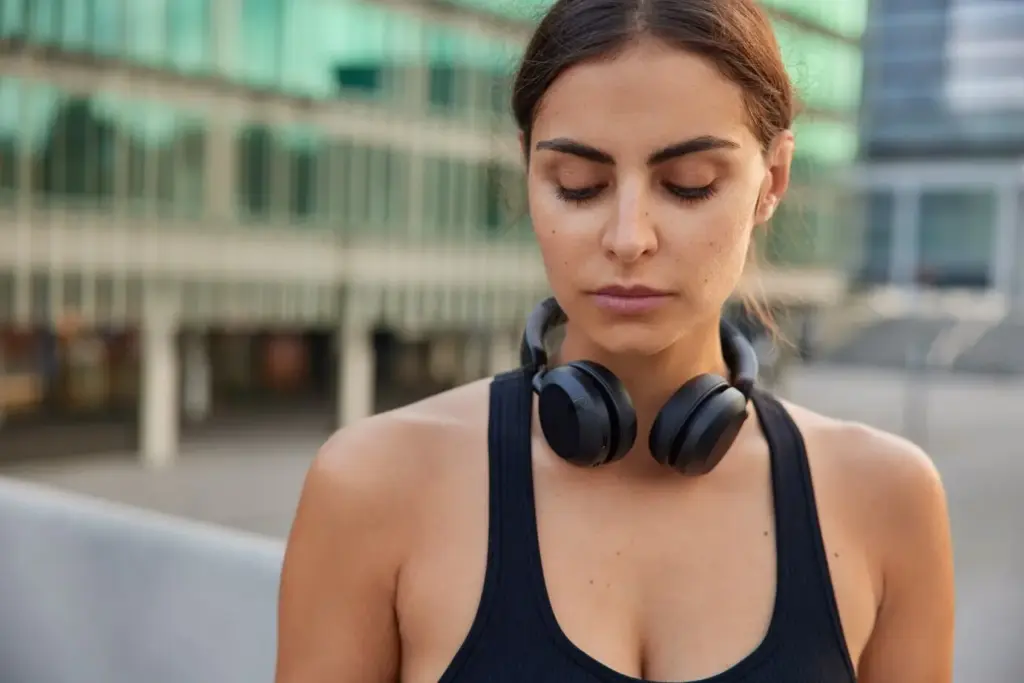
Gauge effort with a simple scale from one to ten and the ability to speak. Warm-up around RPE 4–5, peak bursts at 8–9 where speaking one short phrase is tough, and recover at 3–4 through slow nasal inhales and long exhales. Let breath guide form: if it becomes ragged, downshift. When rhythm returns, press again, ensuring intensity serves progress rather than ego.

Joint-Friendly Modifications Without Losing Intensity
If jumping aggravates knees, switch to rapid step-backs, powerful knee drives, or tempo squats. For wrists, plank on fists, dumbbells, or forearms. Trade burpees for fast walk-outs and pop-backs to a raised surface. Keep intensity using tempo: three counts down, quick up, minimal rest. Focus on crisp posture, foot quietness, and purposeful arm swing to preserve challenge while protecting tissues, tendons, and long-term training joy.

Cooldown Within a Chorus
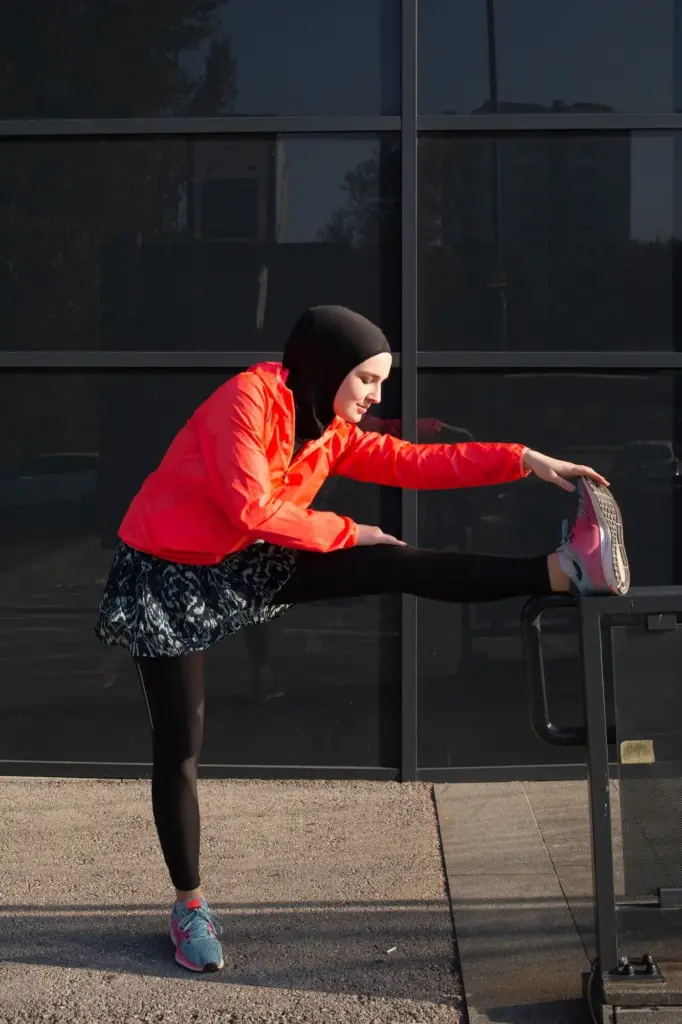
When the last chorus hits, soften impact, elevate exhale time, and sprinkle in dynamic stretches: hamstring sweeps, standing quad pulls, and slow thoracic rotations. Roll shoulders, nod the neck, and widen your stance for calmer breathing. This brief transition lowers sympathetic drive, reduces dizziness, and helps legs feel springy rather than flooded. You finish alert and grounded, ready for breakfast, commute, or an early meeting.